


Screening Strategy for Cyclic Heptapeptide Libraries Targeting Enzyme Active Sites
- 2026-07-08
- 313
I. Construction of Cyclic Heptapeptide Libraries
The establishment of a cyclic heptapeptide library is a prerequisite for discovering high-efficacy enzyme active site binders. Constructing a library with molecular diversity, structural rigidity, and chemical stability largely determines whether effective recognition and interaction can be established between the cyclic heptapeptide and the target enzyme. During the construction process, suitable molecular building blocks must first be selected. Subsequently, the chemical space of the cyclic heptapeptide library can be expanded by incorporating non-natural amino acids, allowing it to overcome the structural limitations of natural amino acids and exhibit enhanced binding affinity and specificity. This lays a solid foundation for improving the quality of the cyclic heptapeptide library.
Molecular diversity and the feasibility of subsequent screening are the core considerations in library capacity design. The theoretical sequence space for heptapeptides encompasses up to 20^7 possibilities. Researchers must employ refined design schemes to reduce sequence redundancy. One of the most widely used strategies involves analyzing the structural characteristics of the target enzyme's active site to prioritize amino acid types likely to engage in specific interactions with key residues, thereby narrowing the screening scope from the outset. Furthermore, computer simulation technology is now deeply integrated into the library optimization design process, effectively improving the overall quality of cyclic heptapeptide libraries and enhancing the efficiency of subsequent screening efforts.
II. Selection of Screening Platforms
Screening cyclic heptapeptides for enzyme active sites relies on efficient screening platforms. Current mainstream technologies include phage display, yeast display, mRNA display, and DNA-encoded compound libraries (DEL). Each technology has different application scenarios suited to specific circumstances. Choosing the appropriate platform is more conducive to successful screening.
Phage display technology, known for its substantial library capacity, straightforward operational workflow, and cost-effective control, has become a key technical pathway in biological screening. This technology primarily involves the fusion expression of cyclic heptapeptide sequences with phage coat proteins, displaying them on the surface of phage particles. By incubating the constructed library with immobilized target proteins and subjecting the mixture to 3-5 consecutive rounds of biopanning, high-affinity, specific peptide sequences can be isolated. This process provides high-quality candidate molecules for drug discovery efforts.
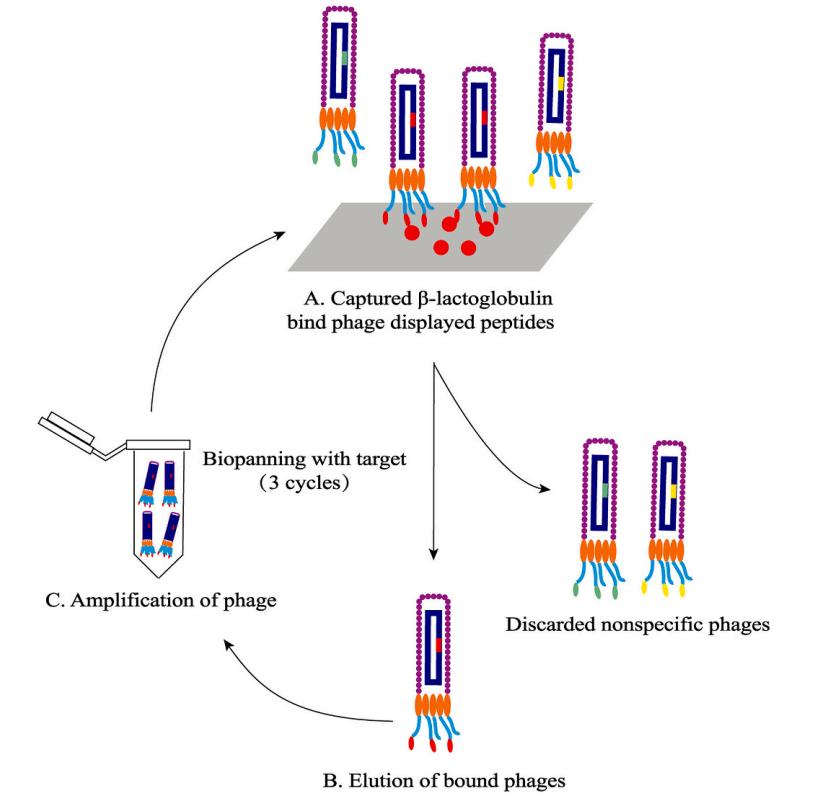
Figure 1. Phage Display Library Screening Workflow (Adapted from [1])
Compared to phage display technology, yeast display offers the distinct advantage of providing eukaryotic-specific post-translational modification functions, making it more suitable for screening cyclic peptides that require disulfide bond formation or glycosylation. Relevant research demonstrates that by co-expressing bacterially sourced transglutaminase within yeast cells, enzymatic cyclization of peptides can be directly accomplished on the yeast cell surface, effectively simplifying the preparation process for cyclic peptide libraries.
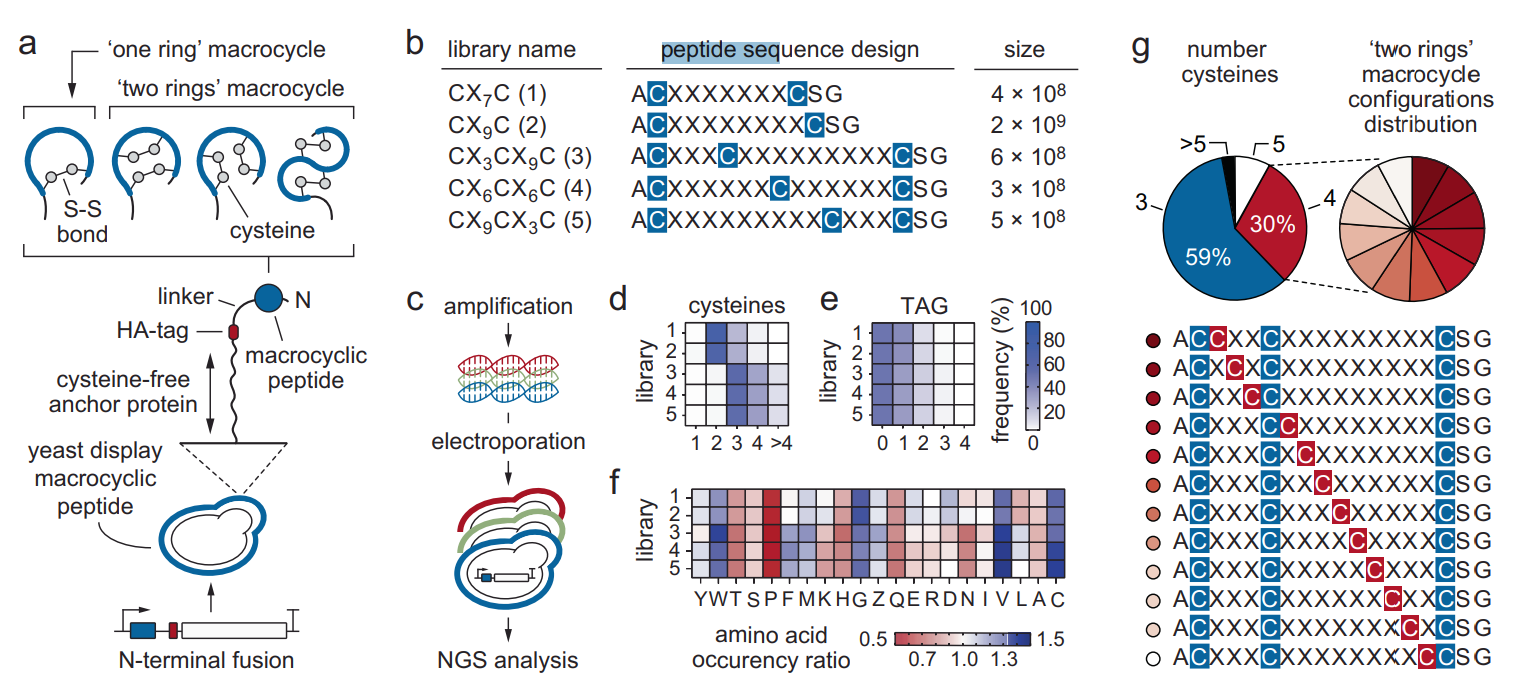
Figure 2. Schematic Diagram of the Yeast Display Macrocyclic Peptide (MP) System (Adapted from [2])
mRNA display technology is a powerful in vitro display platform that covalently links a phenotype to its genotype (mRNA) via a puromycin molecule. The core process involves synthesizing peptide-mRNA fusion constructs using an in vitro transcription and translation system, enabling the construction of massive libraries with capacities up to 10^14. This process is not limited by cellular transfection efficiency and can effectively screen for low-affinity ligands.
The DNA-encoded compound library (DEL) technology utilizes covalent bonds to stably link specific DNA tags to peptide-like molecules, allowing for large-scale screening in conventional test-tube systems. This technology offers advantages such as high library capacity (up to hundreds of millions or more) and short screening cycles, while also facing challenges related to cell permeability and in vivo activity validation.
III. Design of Screening Protocols Targeting Enzyme Active Sites
Screening cyclic heptapeptides for enzyme active sites requires particularly meticulous experimental design to distinguish between active site-directed binding and non-specific binding.
1) Target Immobilization Methods: The immobilization process must preserve the native conformation of the enzyme's active site as much as possible, avoiding its occlusion or distortion due to immobilization. Common methods include immobilization via a histidine tag on nickel-affinity resin, using the biotin-streptavidin system, and capture via specific antibodies.
2) Competitive Screening Strategy: Incorporating known enzyme active site inhibitors or substrate analogs during the screening process can competitively block the binding of cyclic heptapeptides to the active site. This helps select for cyclic peptides that bind to regions other than the active site.
3) Dynamic Screening Conditions: Since enzyme active sites are highly dynamic, screening should mimic physiological conditions as closely as possible. This includes using appropriate pH buffers, ionic strength, and cofactors. For example, many metalloenzymes require specific metal ion cofactors to maintain the correct conformation of the active site. Supplementing with these cofactors during screening can increase the probability of successfully identifying specific cyclic heptapeptides.
IV. Functional Validation
Functional activity assays are essential for evaluating the biological activity of cyclic heptapeptides and require the establishment of diverse enzymatic activity detection systems. For proteases, changes in catalytic activity can be detected using FRET substrates or chromogenic substrates. For kinases, activity can be assessed by employing phospho-specific antibodies or radiolabeling methods to monitor the phosphorylation process. It is also important to note that some cyclic heptapeptides may act on enzymes through non-competitive or allosteric mechanisms.
KMD Bioscience leverages its high-throughput phage display platform to offer customized development of diverse cyclic heptapeptide libraries targeting enzyme active sites. The screened cyclic heptapeptide sequences undergo standardized enzymatic activity assays, ensuring the delivery of candidate molecules with excellent affinity and robust biological activity. This provides strong support for drug discovery efforts.
[1] Yu N, Yang Y, Li Y, Kang W, Zhang J, Chen Y. Screening of specific binding peptide for β-lactoglobulin using phage display technology. Food Chem. 2024;452:139522.
[2] Linciano S, Mazzocato Y, Romanyuk Z, et al. Screening macrocyclic peptide libraries by yeast display allows control of selection process and affinity ranking. Nat Commun. 2025;16(1):5367.
[3] Holec PV, Breuckman KC, Leddy O, White FM, Bryson BD, Birnbaum ME. High-throughput screening for class I peptide MHC binding via yeast surface display. Proc Natl Acad Sci U S A. 2025;122(47):e2514741122.
FAQ
Q1: What is the core role of introducing non-natural amino acids when constructing a cyclic heptapeptide library?
A1:
The core role of introducing non-natural amino acids during the construction of a cyclic heptapeptide library is to fundamentally overcome the limitations of natural peptides, significantly expanding the "chemical space" and functional potential of cyclic heptapeptides as probe molecules or lead drugs.
Firstly, non-natural amino acids can markedly enhance structural diversity. Their unique side chain groups (such as alkynyl, azido, specific aromatic rings, etc.), which are absent in natural amino acids, introduce entirely new chemical properties and interaction sites to the cyclic heptapeptides. These can be utilized to form more specific and stronger hydrophobic, π-π stacking, or electrostatic interactions with the target protein, thereby enabling the identification of high-affinity ligands that cannot be obtained from natural peptide libraries.
Secondly, they effectively optimize drug-like properties. Many natural peptides are susceptible to protease hydrolysis and exhibit poor cell membrane permeability. By incorporating D-amino acids, α-methylated amino acids, or β-amino acids, the conformation of the peptide backbone can be altered, conferring resistance to proteolytic degradation and improving cell permeability, laying the foundation for developing orally administered or systemically delivered peptide drugs.
Finally, non-natural amino acids are key tools for precisely modulating conformation. The biological function of cyclic heptapeptides strongly depends on their specific three-dimensional folding. Introducing conformationally restricted amino acids can lock the peptide chain into a preferred conformation, reducing the entropic penalty upon binding and enhancing selectivity and potency for the target.
Q2: What is the core difference in applicability between phage display and yeast display technologies in cyclic heptapeptide screening?
A2:
The core difference stems from the expression system and modification capabilities. Phage display technology is a prokaryotic system whose advantages include large library capacity (up to 10^11), simple operation, and lower cost. It is suitable for screening cyclic heptapeptides that do not require complex post-translational modifications, enabling the enrichment of specific binding peptides through multiple rounds of biopanning.
The yeast display system possesses eukaryotic post-translational modification capabilities, making it more suitable for cyclic heptapeptides requiring disulfide bond formation or glycosylation. Furthermore, co-expression of microbial transglutaminase enables enzymatic cyclization on the yeast surface, offering advantages such as high site selectivity and mild reaction conditions. This is particularly well-suited for constructing cyclic peptides containing specific glutamine and lysine residues.
Q3: For screening targeting enzyme active sites, how does a competitive screening strategy achieve specific enrichment?
A3:
The core logic of the competitive screening strategy is to utilize the specific binding of a known ligand to the enzyme's active site to differentiate the binding mode of the cyclic heptapeptides. During screening, a known inhibitor or substrate analog of the enzyme active site is added; these molecules preferentially bind to the active site, creating a competitive block.
During the screening process, cyclic heptapeptides that bind only to non-active sites of the enzyme will be retained, whereas those targeting the active site will be removed due to inability to bind. Through subsequent counter-screening or elution steps, non-specifically bound peptides can be eliminated, thereby specifically enriching cyclic heptapeptides that precisely bind the enzyme's active site, improving screening efficiency and result reliability.
Q4: What are the core challenges when using DNA-Encoded Library (DEL) technology to screen cyclic heptapeptides, and how are they addressed?
A4:
The core challenges of DEL technology primarily focus on cell permeability and in vivo activity validation. DEL screening is typically conducted in vitro in test tubes. The identified cyclic heptapeptides might struggle to cross cell membranes due to their structural properties, preventing interaction with intracellular enzymes. Additionally, there can be a discrepancy between in vitro binding activity and activity under physiological in vivo conditions, requiring additional validation.
Coping strategies include incorporating cell-penetrating structural units during screening or performing chemical modifications to optimize the permeability of cyclic heptapeptides post-synthesis. A tiered validation system of "in vitro screening – cellular-level verification – animal model evaluation" is established, where initial screening via cell-based activity assays is followed by confirmation of in vivo targeting capability and bioactivity using animal models, thereby addressing the limitations of in vitro screening.
Q5: What are the common methods for immobilizing enzyme active sites, and what core principles must be followed during operation?
A5:
Common methods for enzyme active site immobilization mainly fall into three categories:
1) Utilizing a polyhistidine tag to immobilize the enzyme onto nickel affinity resin, relying on metal coordination.
2) Employing the biotin-streptavidin system, leveraging their extremely high affinity for stable immobilization.
3) Using specific antibodies to capture the enzyme, suitable for immobilizing tag-free enzymes.
During operation, it is essential to preserve the native conformation of the enzyme's active site as much as possible, avoiding occlusion or distortion caused by the immobilization process. The immobilization conditions (e.g., buffer pH, temperature) must be controlled to prevent harsh reaction conditions from disrupting the enzyme's spatial structure. Simultaneously, optimizing the immobilization density is necessary to prevent excessive crowding of enzyme molecules, which could affect the exposure of the active site, ensuring that the screened cyclic heptapeptides can effectively bind to the native active site.
- Peptide-based Drug Discovery
- Enzyme Active Site
- active site of the enzyme
- Phage Display

- Protein Platform
- Protein Expression Services
- Protein Modification & Detection Services
- Protein Interaction Services
- Protein Purification Service
- Antibody Discovery Platform
- VHH Antibody Platform
- Phage Display Platform
- Antibody Humanization Platform
- Single B Cell Screening Platform
- Antibody Expression & Validation Platform
- Peptide Library Platform
- Custom Antibody Platform
- Innovative Drug Discovery Platform
- Product Center
- Proteins
- Antibodies
- Raw Materials Reagents
- Small Molecule Reagents
- Peptide Products
- Nanoparticle Products
- Contact Us
- Phone:400-621-6806
- Mobile:13110936064(WeC
- E-mail:[email protected]
- Address:Room 108, Building 10, No. 6 Hechang Road, Wuqing Development Zone, Tianjin City
-

WeChat
-

Service Account
-
 400-621-6806
 -
 3599163699
 -
 Monday to Friday 9:00-18:00
 -

-
 0
0
-
