


Introduction to Phage Peptide Library Screening Services
- 2026-07-08
- 446
1. Concept of Peptide Library Screening
A peptide library refers to a collection of a large number of small peptides with specific lengths and varying sequences, encompassing various (or the vast majority of) amino acid sequence permutations and combinations for peptides of that length. The peptide library is a powerful screening tool, used to identify a very small number of peptides with critical biological activity from a large pool of peptides. Utilizing phage display technology, KMD Bioscience can isolate and characterize high-affinity, highly specific peptides from diverse peptide libraries to meet customer needs in drug discovery, diagnostic marker development, vaccine research, and other applications.
2. Types of Peptide Libraries
(1) Overlapping Peptide Library: A single peptide can be divided into several overlapping fragments. The resulting overlapping peptide library can then be used in processes including continuous and linear epitope mapping.
(2) Truncated Peptide Library: A truncated peptide library can be used to predict the minimal length of amino acids required to determine optimal epitope activity.
(3) Alanine Scanning Peptide Library: Each amino acid residue is individually and systematically replaced by alanine. This library allows rapid determination of the contribution of each amino acid to peptide function.
(4) Random Peptide Library: The random peptide library is designed as an essential tool for sequence optimization, where selected positions are simultaneously substituted with all 20 natural amino acids to enhance peptide activity.
(5) Scrambled Peptide Library: The scrambled library exhibits the highest variability among all peptide libraries. The resulting peptides are often used as negative controls to demonstrate that a specific sequence is crucial for protein function or activity. It also serves as a random screening tool for discovering new leads.
(6) Positional Peptide Library: Selected sites or regions within a peptide sequence are systematically replaced with all other natural amino acids. This enables the identification of amino acids that enhance peptide activity.
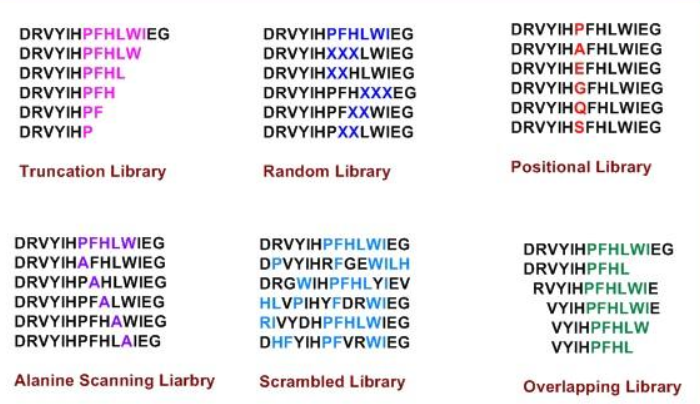
Fig. 1: Illustration of the six types of peptide libraries.
3. Applications of Peptide Library Screening
Peptide libraries have a wide range of applications in proteomics and related fields, such as drug development (research-grade Bevacizumab (cat: YR1001)), protein-protein interactions, epitope screening, GPCR ligand screening, protein functional analysis, enzyme substrate or inhibitor screening, messenger molecule development, and peptide/protein signaling interactions.
4. Highlights of Peptide Library Screening Technology
(1) High-throughput production with efficient screening capability
(2) Rapid preparation of soluble antigens
(3) Precise identification of epitopes, widely used in drug development
5.Kamade Biotech can provide customers with high-quality peptide library screening services.
Based on the phage display platform, Kamade Biotech possesses diverse libraries, as shown in Figure 2, and can construct random 7-mer, 12-mer, and 15-mer peptide libraries for customers. The T7 phage display platform offered by Kamade Biotech is an ultra-high-throughput ligand screening method. This technology enables the construction of up to 10^13/ml phage-displayed peptide or antibody clones, with an average independent clone count of 10^9-10^10/ml. Through subsequent rounds of biopanning, it can yield up to 10^5 effective peptide or antibody sequences.
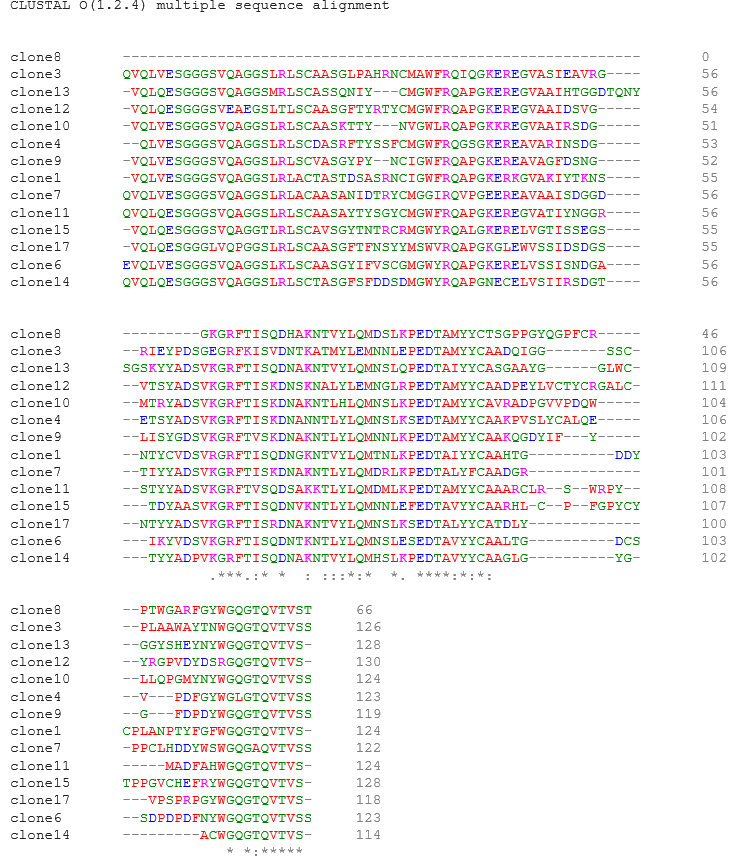
Figure 2: Kamade Biotech's Diverse Library
6. Kamade Biotech’s Comprehensive Process for Peptide Library Screening Services
The peptide library screening process primarily consists of the following key steps: target protein quality validation, phage titer determination, phage amplification, phage biopanning, and sequencing. The workflow is illustrated in the diagram below:
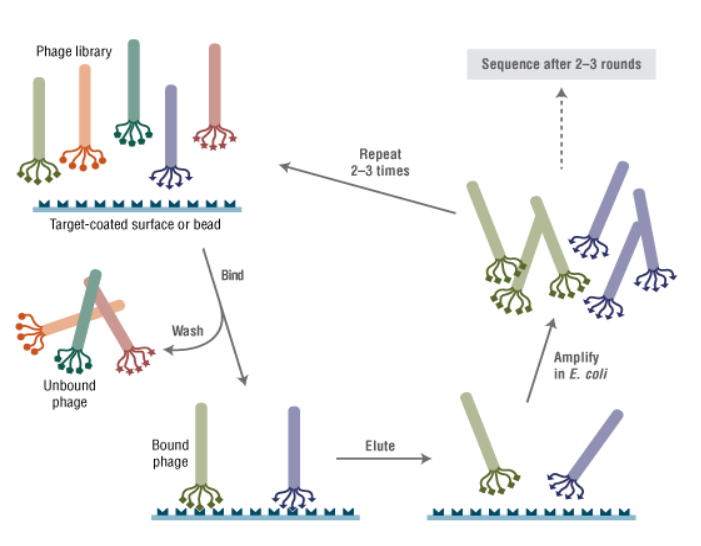
Figure 3: Phage Display Peptide Library Construction Process
6.1 Target Protein Quality Verification
The target protein was subjected to SDS-PAGE electrophoresis, and a protein purity of >95% was required to proceed to the next step of library screening.
6.2 Phage Titer Detection
The TG1 strain was inoculated into LB medium for activation culture. After adding agarose to the LB medium, the phages were cultured using the gradient dilution method. The cultured phages were then plated onto agar plates for plaque counting.
6.3 Phage Amplification
The TG1 strain was cultured until OD600 reached 0.4–0.6, then inoculated into an amplified host bacterial strain. After shaking and centrifugation, the supernatant was collected as the phage culture.
6.4 Phage Panning
The purified target protein was coated overnight in a 96-well microplate as the antigen. Skim milk powder was used for blocking, followed by incubation with the amplified phage culture. After multiple washes with buffer, the phage
6.5 Sequencing
From the bacterial plates after the third round of screening, 48 single clones were picked. After amplification culture, plasmids were extracted for sequencing.
7.Screening Results of the Peptide Phage Display Library
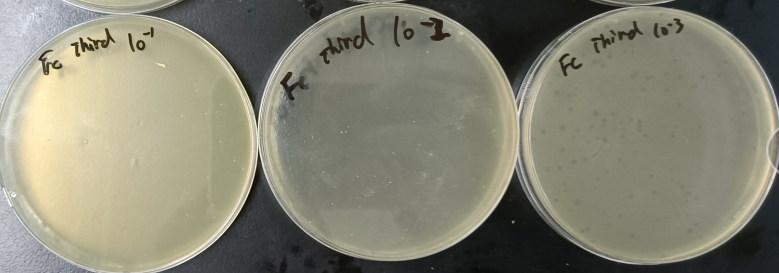
Figure 4: Third-round library elution results
- Phage Peptide Library Screening Service
- Phage Display Technology
- Peptide Library Screening
- Phage Peptide Library Screening Technology

- Protein Platform
- Protein Expression Services
- Protein Modification & Detection Services
- Protein Interaction Services
- Protein Purification Service
- Antibody Discovery Platform
- VHH Antibody Platform
- Phage Display Platform
- Antibody Humanization Platform
- Single B Cell Screening Platform
- Antibody Expression & Validation Platform
- Peptide Library Platform
- Custom Antibody Platform
- Innovative Drug Discovery Platform
- Product Center
- Proteins
- Antibodies
- Raw Materials Reagents
- Small Molecule Reagents
- Peptide Products
- Nanoparticle Products
- Contact Us
- Phone:400-621-6806
- Mobile:13110936064(WeC
- E-mail:[email protected]
- Address:Room 108, Building 10, No. 6 Hechang Road, Wuqing Development Zone, Tianjin City
-

WeChat
-

Service Account
-
 400-621-6806
 -
 3599163699
 -
 Monday to Friday 9:00-18:00
 -

-
 0
0
-
