


The 8 Best Commercial Nanobodies: An Expert Evaluation
- 2026-06-01
- 5839
The biopharmaceutical industry is undergoing a structural revolution. For decades, conventional monoclonal antibodies (mAbs) dominated the landscape of targeted therapeutics and diagnostics. However, from our experience in cutting-edge laboratory environments, mAbs are severely limited by their massive size, poor tissue penetration, and high manufacturing costs. Enter the single-domain antibody, or VHH. Derived naturally from Camelidae species (such as alpacas and llamas), these tiny powerhouses represent the absolute pinnacle of targeted binding. We have rigorously analyzed the current market, and we firmly believe that the integration of commercial nanobodies into your research and development pipeline is no longer optional—it is a critical necessity to remain competitive.
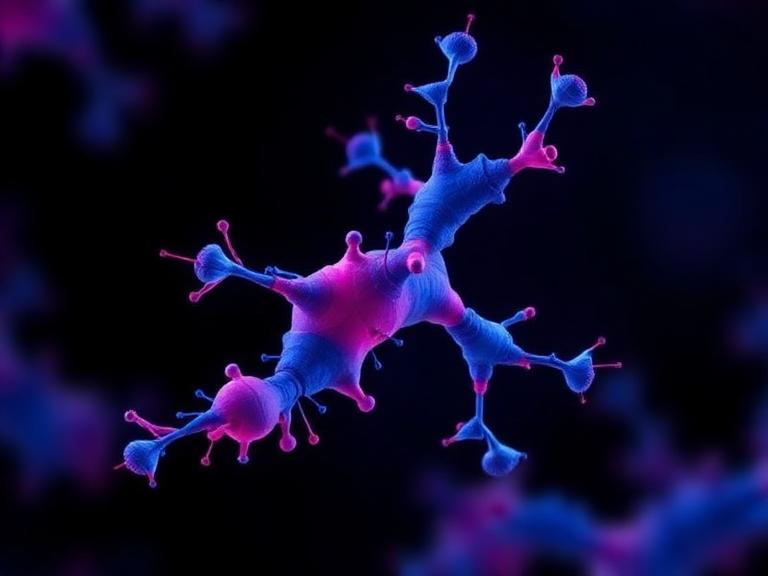
At KMD Bioscience, we do not just observe these trends; we actively drive them. KMD Bioscience has been committed to becoming a leading provider of therapeutic antibody discovery and related support services since our establishment in 2022. Focusing heavily on technological research and development, our company provides high-quality Contract Research Organization (CRO) services to scientists and research institutions worldwide, aiming to promote the development and innovation of medical science and technology. As a recognized high-tech enterprise, KMD Bioscience is proud to be a National Patent Pilot Unit and holds an ISO9001:2015 Quality Management System certification for our state-of-the-art laboratories. We have been granted more than 30 patents and 4 registered trademarks, and over 90% of our technical service team members hold a master’s degree or higher.
In this authoritative guide, we break down the eight best commercial nanobodies and related platforms currently leading the market. We evaluate them based on binding affinity, clinical success, versatility, and developmental potential, providing you with a clear roadmap for your therapeutic or diagnostic projects.
Table of Contents
The Rise of Commercial Nanobodies in Biotechnology
To understand why commercial nanobodies are disrupting the $150 billion monoclonal antibody market, you must look at their structural physics. A standard mAb weighs approximately 150 kDa. In stark contrast, a nanobody weighs merely 15 kDa. This extraordinarily small size allows them to penetrate dense biological tissues—such as solid solid tumors and the blood-brain barrier—with an efficiency that traditional antibodies can never achieve.
Furthermore, from a manufacturing standpoint, commercial nanobodies are highly robust. They withstand extreme temperatures, varying pH levels, and proteolytic degradation. Because they lack a complex light chain and CH1 domain, they can be easily expressed in microbial systems like E. coli or yeast, drastically lowering production costs compared to mammalian cell cultures. We recommend transitioning to these single-domain structures if your research pipeline is plagued by the aggregation or poor expression yields typical of conventional IgGs.
The 8 Best Commercial Nanobodies
Below is our expertly curated list of the top commercial nanobodies and platforms that have proven their efficacy in both clinical settings and advanced diagnostics.
1. Caplacizumab (Cablivi)
We must start with the trailblazer. Caplacizumab is the very first FDA-approved nanobody-based therapeutic, explicitly designed for the treatment of acquired thrombotic thrombocytopenic purpura (aTTP). It is a bivalent commercial nanobody that targets the A1 domain of von Willebrand factor (vWF). From our perspective, its approval validated the entire single-domain antibody industry. Its incredibly high binding affinity completely inhibits the interaction between vWF and platelets, demonstrating the profound clinical power of commercial nanobodies in managing rare hematological disorders.
2. Ozoralizumab (Nanozora)
Ozoralizumab is a prime example of superior engineering in the realm of commercial nanobodies. It is a trivalent, bispecific nanobody that binds to tumor necrosis factor-alpha (TNF-alpha) and human serum albumin simultaneously. By binding to albumin, it significantly extends its half-life in the bloodstream, addressing one of the common challenges of small biological molecules. Approved in Japan for rheumatoid arthritis, we recommend studying Ozoralizumab if you are developing therapeutics that require sustained in vivo half-lives without sacrificing deep tissue penetration.
3. Envafolimab
Envafolimab made history as the world’s first subcutaneously injected PD-L1 inhibitor. Traditional immune checkpoint inhibitors require lengthy intravenous infusions. Because Envafolimab is a highly concentrated, single-domain commercial nanobody, it can be administered via a simple subcutaneous injection within seconds. It is our professional opinion that the future of oncology lies in patient convenience and compliance, and Envafolimab sets the absolute benchmark for oncology-focused commercial nanobodies.
4. Sonelokimab
Targeting chronic plaque psoriasis, Sonelokimab is a trivalent commercial nanobody that simultaneously binds to IL-17A, IL-17F, and human serum albumin. By neutralizing both IL-17 cytokines, it provides profound suppression of inflammatory pathways. From our experience evaluating immunological data, the deep tissue penetration capabilities of this nanobody allow it to reach dense psoriatic skin lesions far more effectively than traditional, bulky mAbs.
5. Anti-SARS-CoV-2 Inhalable Nanobodies
The global pandemic drastically accelerated the development of aerosolized therapeutics. Several biotech firms successfully developed commercial nanobodies targeting the spike protein receptor-binding domain (RBD) of SARS-CoV-2. Because nanobodies are remarkably stable, they can be formulated into dry powders or liquid aerosols for direct pulmonary delivery via an inhaler. We highly recommend this delivery mechanism for any respiratory virus research, as it bypasses systemic circulation and delivers the therapeutic payload exactly where the viral replication is occurring.
6. Anti-HER2 Commercial Nanobodies for Imaging
While therapeutics dominate the headlines, the diagnostic applications of commercial nanobodies are equally revolutionary. Anti-HER2 nanobodies radiolabeled with specific isotopes are currently being utilized for high-contrast PET imaging in breast cancer patients. Because of their rapid renal clearance and fast tissue accumulation, they provide exceptionally clear tumor-to-background ratios within hours, compared to the days required for traditional antibodies. This allows oncologists to rapidly assess HER2 status and adjust targeted therapies in real-time.
7. GFP-Trap / Fluorescent Fusion Protein Binders
In the realm of fundamental laboratory research, commercial nanobodies have replaced conventional antibodies for immunoprecipitation. Products like the GFP-Trap utilize a single-domain antibody covalently coupled to agarose or magnetic beads to pull down GFP-tagged proteins. We utilize these tools extensively because their tiny size brings the capture matrix incredibly close to the target protein, resulting in the highest possible pull-down efficiency and zero heavy/light chain contamination during downstream Western blot analysis.
8. Custom KMD Bioscience Discovery Commercial Nanobodies
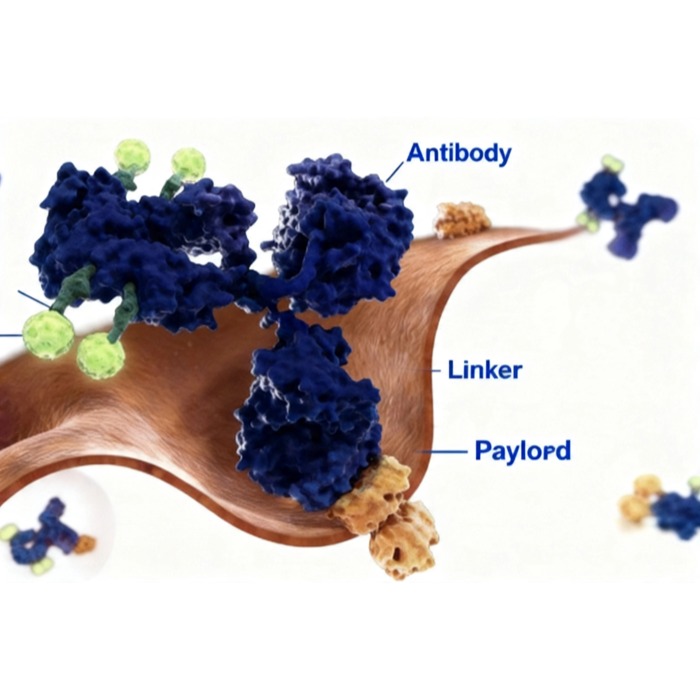
Not every research target has an off-the-shelf solution. For novel biomarkers, you require a custom approach. At KMD Bioscience, we offer unparalleled Antibody Discovery CRO Services. By utilizing our highly advanced immunization protocols in alpacas and sophisticated phage display libraries, we generate ultra-high affinity commercial nanobodies tailored specifically to your unique antigens. Our proprietary systems ensure that we can isolate functional binders even against highly conserved or toxic targets.
How to Choose the Right Commercial Nanobodies
Procuring the right commercial nanobodies requires aligning the structural properties of the VHH with your specific downstream application. We strongly advise taking a systematic approach to your selection process.
First, evaluate your expression requirements. If you intend to scale up manufacturing, you must ensure the nanobody sequences are optimized for microbial expression. We recommend utilizing a specialized Protein Expression Platform to guarantee high yields and proper folding of your VHH constructs in E. coli or Pichia pastoris. Additionally, assessing the exact binding kinetics is critical. Relying on an advanced Protein Interaction Services team allows you to accurately measure the KD (dissociation constant) using Surface Plasmon Resonance (SPR) or Bio-Layer Interferometry (BLI).
If your end goal is diagnostics or assay development, your commercial nanobodies must exhibit exceptional stability. We recommend rigorously validating your candidates through a comprehensive Detection Platform to ensure they perform flawlessly in ELISA, flow cytometry, or immunohistochemistry applications. For those looking to humanize their single-domain antibodies for clinical trials, leveraging a robust Molecular Platform is absolutely essential to minimize immunogenicity while retaining maximum target affinity. Furthermore, if your application crosses over into agricultural biotechnology, exploring tools through a Plant Genetic Transformation Platform or a targeted Gene Editing Platform can offer novel ways to express these nanobodies in transgenic crops. Finally, to ensure seamless transition from the benchtop to commercial manufacturing, integrating a rigorous Process Development Platform will secure your CMC (Chemistry, Manufacturing, and Controls) pathway.
Summary Table: Top Commercial Nanobodies
| Commercial Nanobody | Target Antigen | Primary Application | Key Advantage |
|---|---|---|---|
| Caplacizumab | vWF | aTTP Treatment | First-in-class FDA approved VHH. |
| Ozoralizumab | TNF-alpha / Albumin | Rheumatoid Arthritis | Extended serum half-life via albumin binding. |
| Envafolimab | PD-L1 | Oncology | Rapid subcutaneous administration. |
| Sonelokimab | IL-17A / IL-17F | Plaque Psoriasis | Deep tissue penetration in skin lesions. |
| Anti-SARS-CoV-2 | Spike Protein RBD | Antiviral Therapy | High stability allows for aerosolized inhalation. |
| Anti-HER2 VHH | HER2 Receptor | PET Imaging | Rapid renal clearance, high tumor contrast. |
| GFP-Trap | GFP Fusion Proteins | Immunoprecipitation | Zero heavy/light chain background contamination. |
| KMD Bioscience Custom VHH | Customized | Therapeutics/Diagnostics | Tailored affinity, massive phage display libraries. |
Frequently Asked Questions (FAQs)
Why are commercial nanobodies cheaper to manufacture than monoclonal antibodies?
From our experience in bioprocessing, traditional mAbs require expensive, slow-growing mammalian cell cultures (like CHO cells) to properly fold and glycosylate their massive, multi-chain structures. Commercial nanobodies, being simple single-domain proteins, can be produced in massive quantities using inexpensive bacterial (E. coli) or yeast systems, which drastically reduces media costs and fermentation times. If you seek enzymes to further support these biochemical processes, an Industrial Enzymes Bio-Catalysis Platform can be utilized to streamline industrial-scale biocatalysis.
Do commercial nanobodies trigger an immune response in humans?
Naturally occurring VHH from camelids share a high degree of sequence homology with the human VH3 gene family. While they are inherently less immunogenic than murine antibodies, they still require a process called "humanization" before clinical use. We recommend utilizing advanced molecular biology platforms to mutate specific framework residues to match human sequences, thereby eliminating anti-drug antibody (ADA) responses.
Can commercial nanobodies cross the blood-brain barrier (BBB)?
Yes. One of the most significant advantages of commercial nanobodies is their ability to be engineered to cross the BBB. By targeting specific transcytosis receptors (like the transferrin receptor) on the brain endothelium, specific nanobodies can actively shuttle therapeutic payloads directly into the central nervous system, an arena where traditional mAbs consistently fail.
How do commercial nanobodies perform in solid tumor penetration?
Exceptionally well. Solid tumors are notorious for their high interstitial fluid pressure and dense extracellular matrix. The 15 kDa size of commercial nanobodies allows them to rapidly diffuse deep into the tumor core. We strongly recommend utilizing them in oncology pipelines, particularly for conjugating to cytotoxic drugs or radioligands where precise tumor localization is paramount.
References & Scientific Literature
To further validate the clinical and structural superiority of single-domain antibodies, we advise reviewing the following peer-reviewed and authoritative government sources detailing the engineering and regulatory frameworks governing biologics:

- Protein Platform
- Protein Expression Services
- Protein Modification & Detection Services
- Protein Interaction Services
- Protein Purification Service
- Antibody Discovery Platform
- VHH Antibody Platform
- Phage Display Platform
- Antibody Humanization Platform
- Single B Cell Screening Platform
- Antibody Expression & Validation Platform
- Peptide Library Platform
- Custom Antibody Platform
- Innovative Drug Discovery Platform
- Product Center
- Proteins
- Antibodies
- Raw Materials Reagents
- Small Molecule Reagents
- Peptide Products
- Nanoparticle Products
- Contact Us
- Phone:400-621-6806
- Mobile:13110936064(WeC
- E-mail:[email protected]
- Address:Room 108, Building 10, No. 6 Hechang Road, Wuqing Development Zone, Tianjin City
-

WeChat
-

Service Account
-
 400-621-6806
 -
 3599163699
 -
 Monday to Friday 9:00-18:00
 -

-
 0
0
-
