


Activator or Inhibitor? Unraveling the Dual Roles of Microbial Defensins in SARS-CoV-2 Infection
- 2026-04-14
- 160
Defensins are critical effector molecules in microbial innate immunity and serve as key research targets for exploring viral protein regulatory mechanisms. SARS-CoV-2 achieves cellular entry through the binding of its spike protein's receptor-binding domain (RBD) to human ACE2. Therefore, investigating molecules that interact with the RBD holds significant theoretical and applied value for elucidating the viral invasion mechanism and developing related molecular tools.
In June 2023, the research team led by Zhu Shunyi at the Institute of Zoology, Chinese Academy of Sciences, reported the first discovery of two microbial defensins, AMSIN and emorisin, capable of binding to the RBD of SARS-CoV-2. This finding expands the mechanistic understanding of allosteric regulation of the SARS-CoV-2 RBD and opens new avenues and directions for the development of COVID-19 diagnostic reagents.
I. Research Overview
The SARS-CoV-2 virus achieves cellular entry by binding its spike protein's receptor-binding domain (RBD) to the angiotensin-converting enzyme 2 (ACE2) on the surface of human cells. The development of binding molecules targeting this RBD is of significant value for virus-related research and the development of antiviral drugs. Distinct from previously identified inhibitory binding molecules, AMSIN (isolated from actinobacteria) and emorisin (derived from the fungus Emergomyces orientalis) bind to the RBD of the wild-type virus and various variants, including Alpha, Beta, Gamma, Delta, and Zeta, with moderate to high affinity (Kd =7.6–1450nM). Through a positive allosteric effect, they enhance the binding activity between the RBD and ACE2.
This study integrated structural biochemistry and computational biology techniques to elucidate the molecular mechanism underlying this unique function. Both defensins possess a conserved binary structural motif. They rely on cation-π interactions to initiate allosteric signal transmission within the RBD, ultimately achieving precise regulation of the conformation of the ACE2 binding site. Furthermore, AMSIN, immobilized on a CM5 sensor chip, demonstrated excellent stability and retained its high-efficiency binding capability to the RBD in a human serum environment, highlighting its potential as a diagnostic tool for SARS-CoV-2 antigen detection. This research broadens the understanding of protein allosteric regulation and provides novel molecular tools for fundamental research and applied development related to SARS-CoV-2.
II. Identification and Validation of the Native Structural Characteristics of Emorisin
Through sequence alignment, structural modeling, and physicochemical validation, the sequence characteristics, conserved functional motifs, and native conformation of emorisin and AMSIN were elucidated. The results indicate that, despite having only 40% sequence identity, both defensins contain a conserved binary structural motif composed of cationic and aromatic residues. Furthermore, chemically synthesized emorisin successfully underwent oxidative refolding to form a native CSαβ defensin conformation with high purity and matching molecular weight, establishing a structural foundation for subsequent investigations into its interaction with the SARS-CoV-2 RBD.
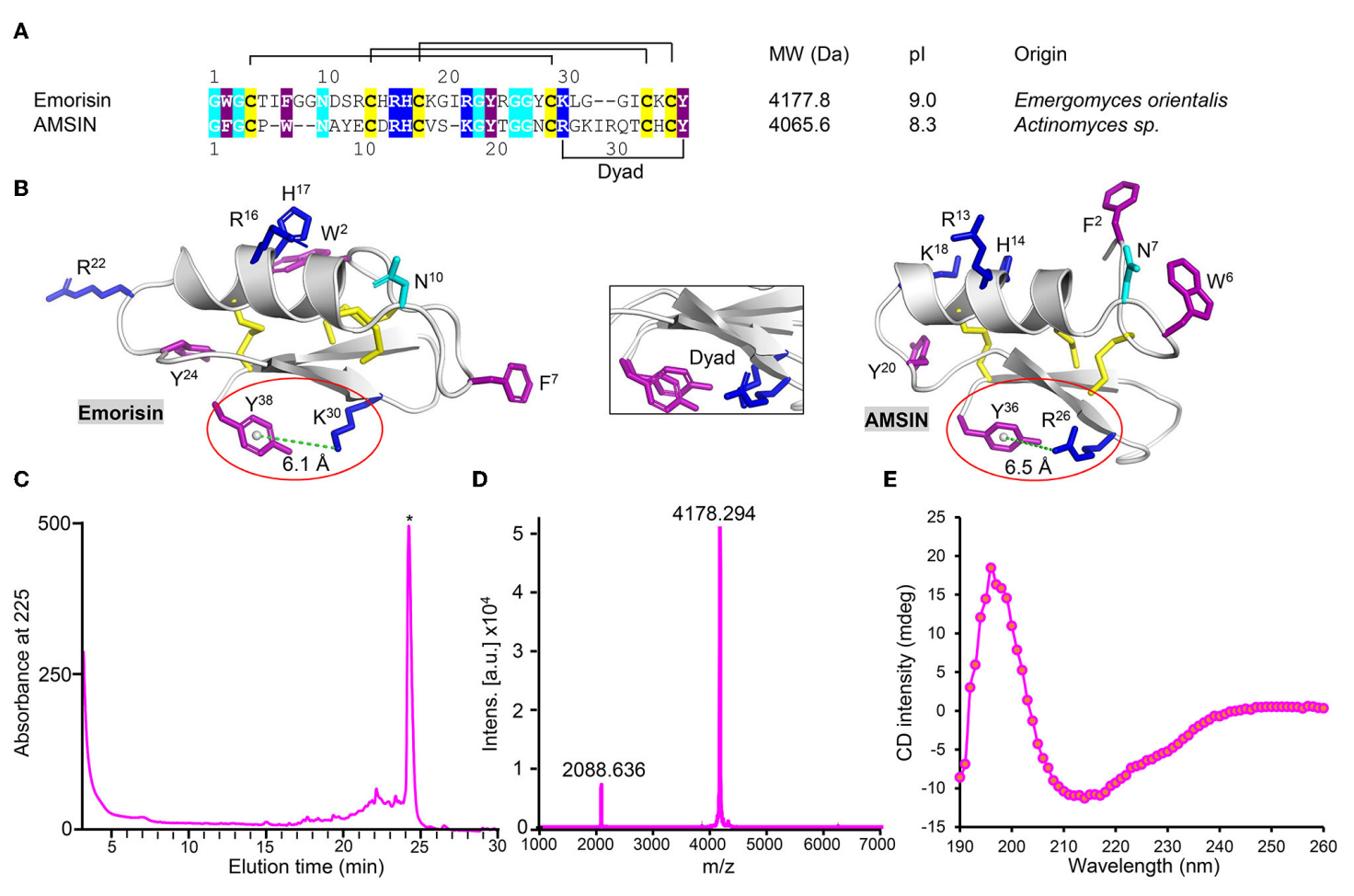
Fig1. Identification and structural characteristics of emorisin
III. Binding Kinetics Characteristics of AMSIN and Emorisin to Various RBDs
SPR experimental results demonstrated that AMSIN specifically binds to the RBD of the wild-type strain as well as various variants, including Alpha, Beta, Gamma, Delta, and Zeta, and also to the oSpike protein of the Omicron variant. The binding exhibited a clear concentration-dependent manner with stable dissociation profiles. AMSIN showed high affinity for the Alpha RBD and the oSpike protein. It demonstrated binding capability to all tested RBDs, with rapid and stable binding kinetics, reflecting broad-spectrum RBD recognition characteristics.
Concurrently, the binding curves of emorisin to the RBD displayed characteristics similar to those of AMSIN. Emorisin exhibited superior binding affinity for the WT RBD, Beta RBD, and Delta RBD compared to AMSIN. However, emorisin only bound to specific types of RBDs; no binding signal was detected for the Alpha, Gamma, or Zeta RBDs. This indicates that emorisin's recognition of the RBD is selective and suggests that its binding site differs from that of AMSIN.
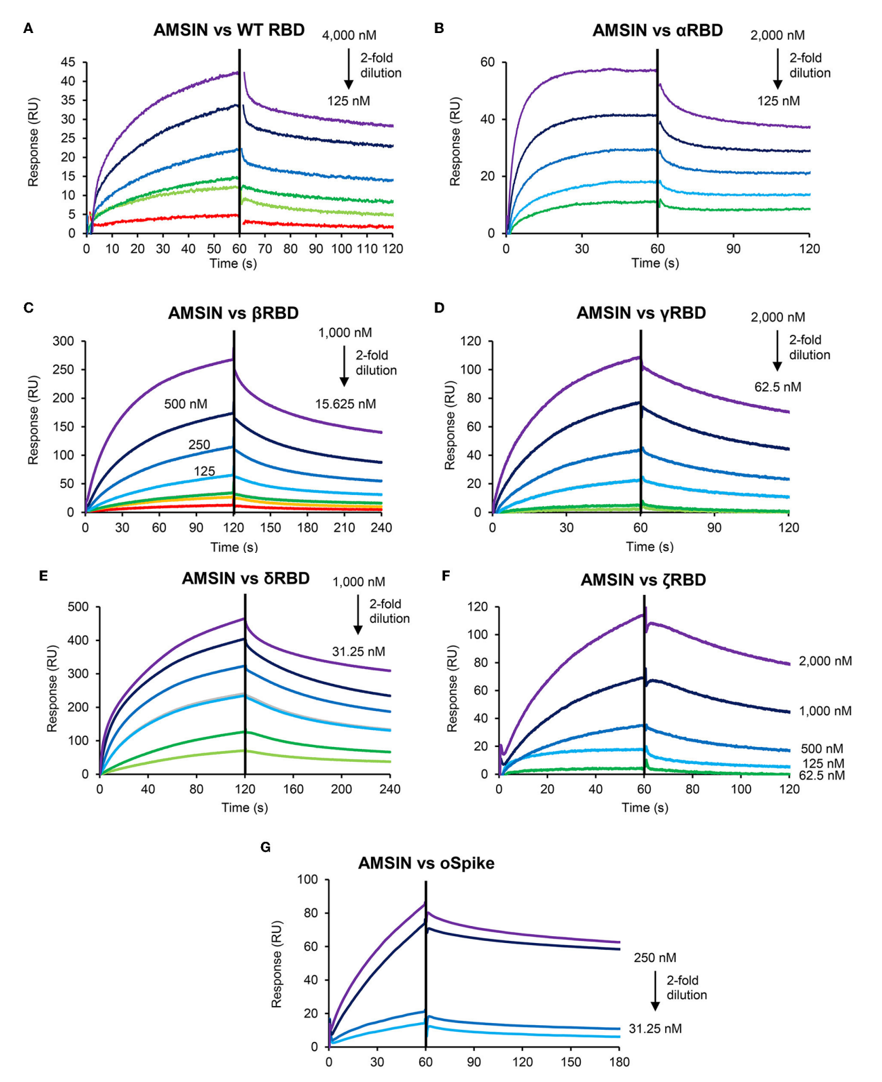
Fig2. SPR sensorgrams of AMSIN binding to various RBD variants
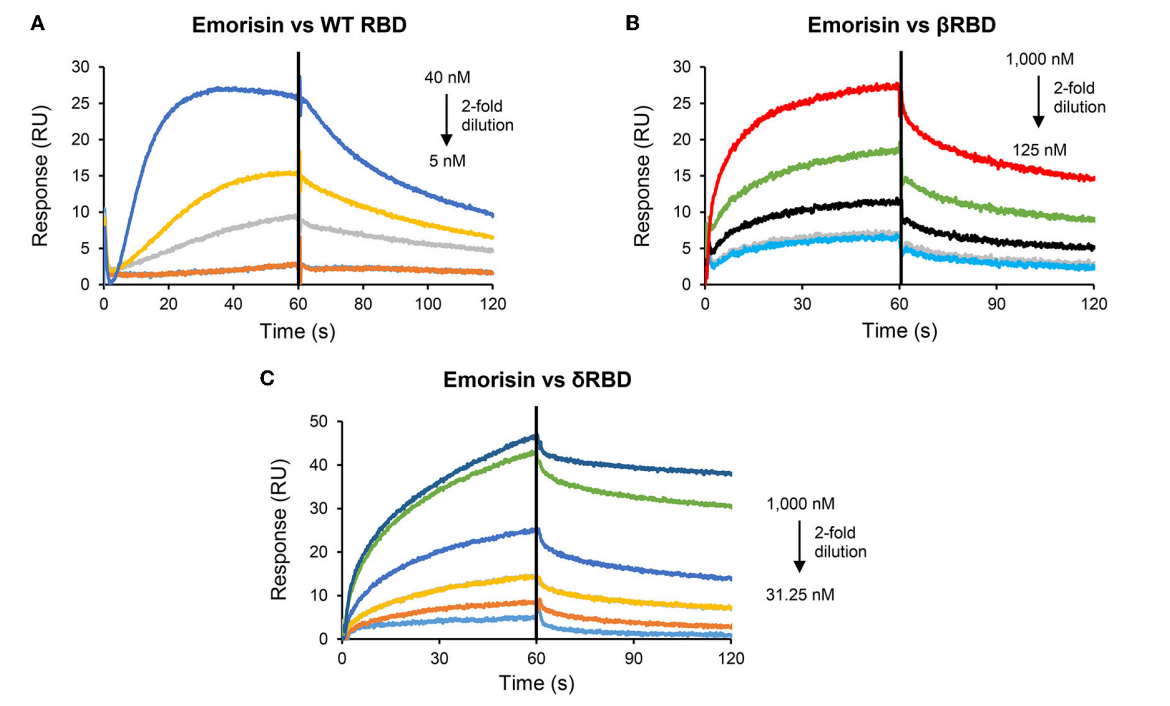
Fig3. SPR sensorgrams of emorisin binding to RBD
IV. Positive Allosteric Effect of Defensins in Enhancing RBD-ACE2 Binding
Research findings indicate that both AMSIN and emorisin significantly enhance the binding activity of the WT RBD to ACE2 in a concentration-dependent manner. The activating effect of AMSIN was validated through both SPR-based competitive binding assays and ELISA. Emorisin's activation efficiency increased with concentration and exhibited a concentration threshold. Both defensins exert their positive allosteric regulatory effects through a non-competitive binding mechanism.
Within the WT RBD, a cluster of allosterically coupled residues, spatially connected to the ACE2 binding site, was identified. This residue cluster constitutes a core pathway for allosteric signal transduction and is highly conserved across various RBD variants. AMSIN establishes a cation-π interaction using its own Arg-26 residue and Phe-342 of the RBD. This interaction serves as the core signaling site that induces allostery in the RBD. Through the conserved residue cluster, the signal is transmitted to the ACE2 binding site, inducing conformational changes in this region and ultimately enhancing the binding activity between the RBD and ACE2.
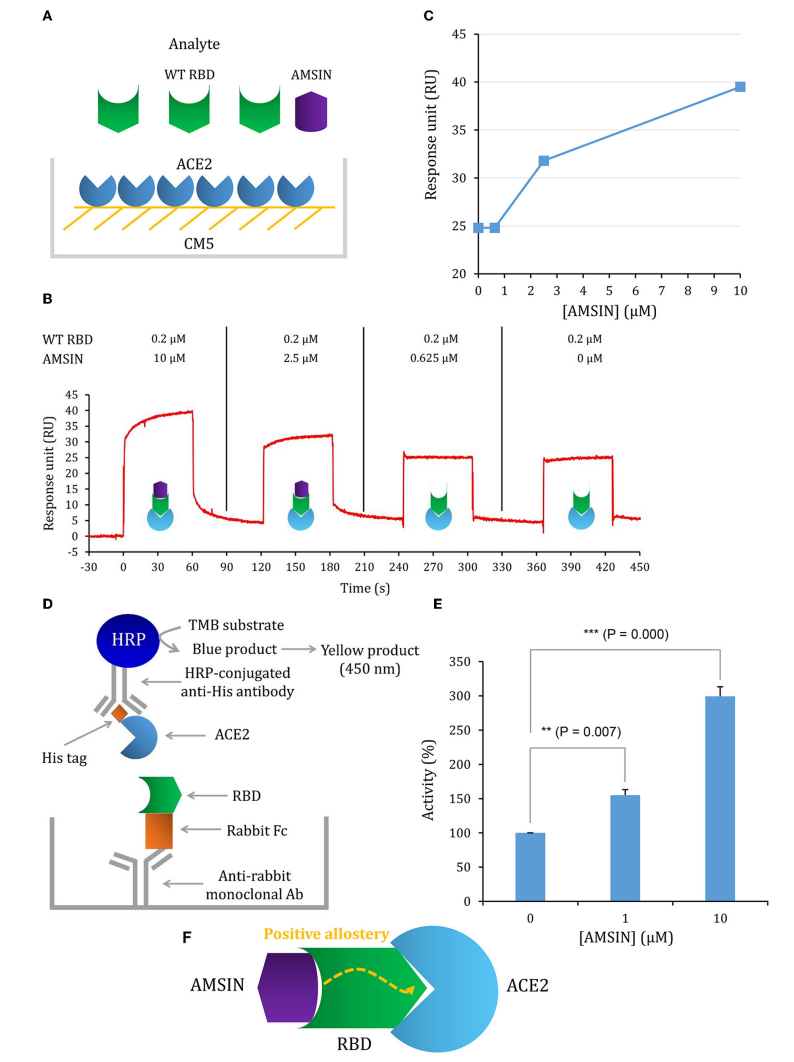
Fig4. Validation of the activating effect of AMSIN by multiple experiments
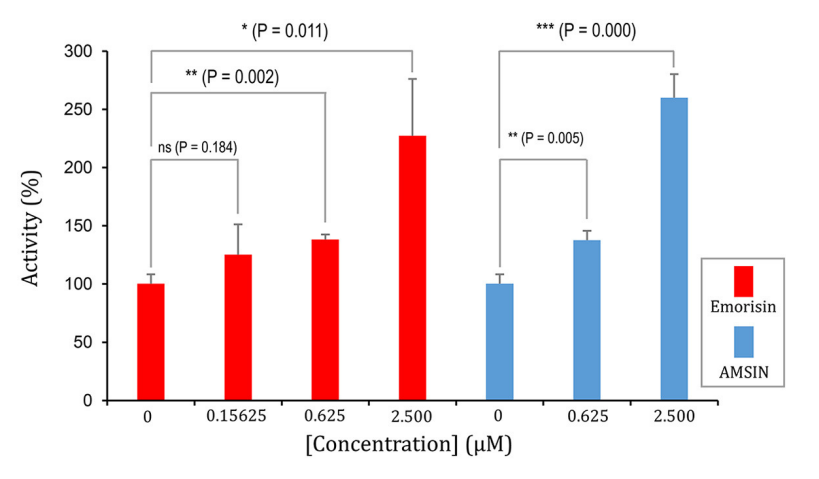
Fig5. Verification of the activating effect of emorisin via ELISA assay

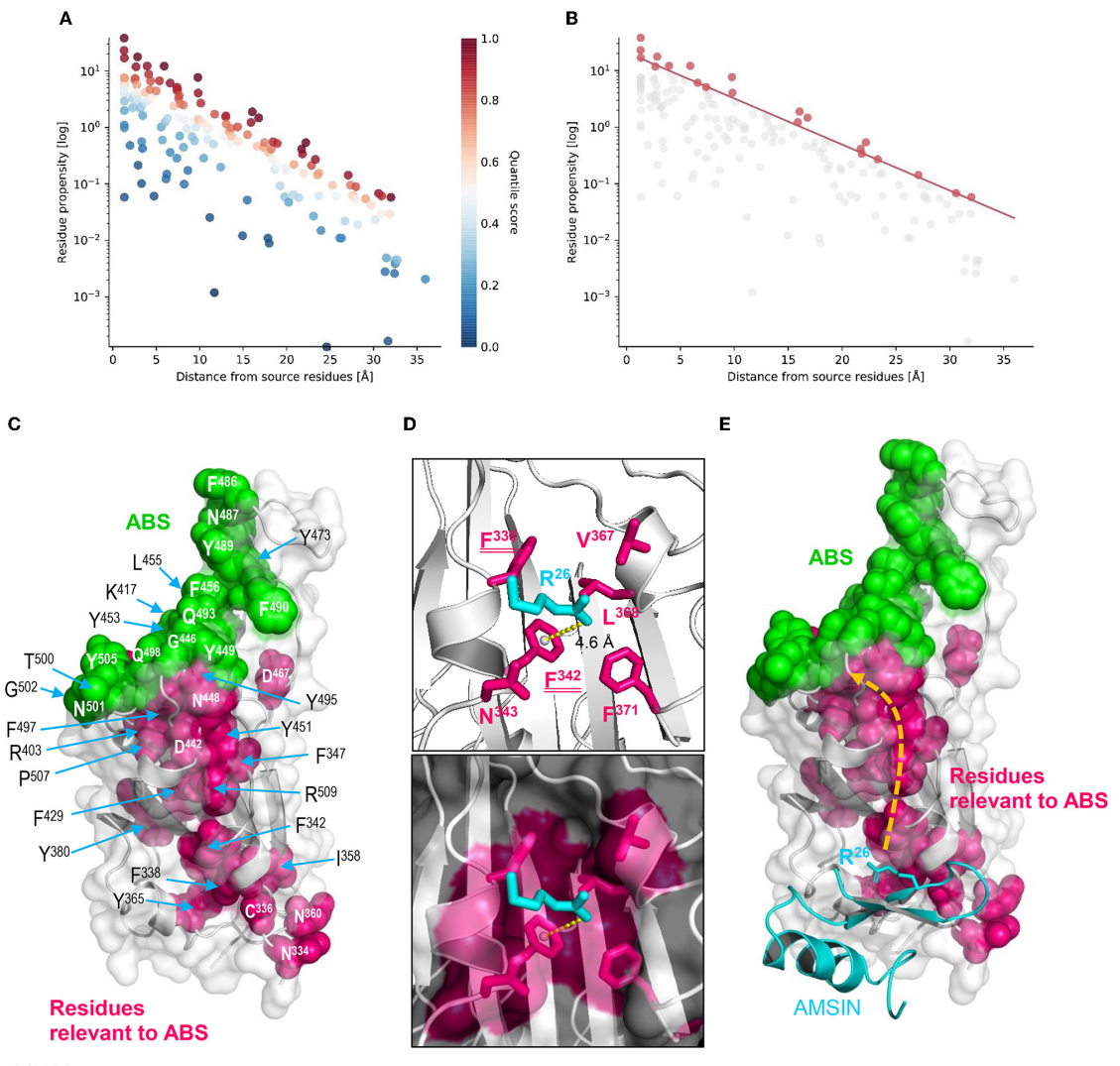
Fig6. Structural basis of the ligand-modulating effect induced by AMSIN in RBD
V. Validation of AMSIN's Potential for COVID-19 Diagnosis
Using the Delta RBD as a target, the binding interaction between AMSIN and the Delta RBD was evaluated in a 1% human serum environment. SPR results showed that the presence of human serum did not interfere with their binding. SDS-PAGE analysis confirmed that AMSIN immobilized on a CM5 chip possesses excellent anti-interference properties in serum, suggesting its potential for development into a COVID-19 antigen detection reagent. This further substantiates the prospective application of AMSIN in the field of COVID-19 diagnostics.
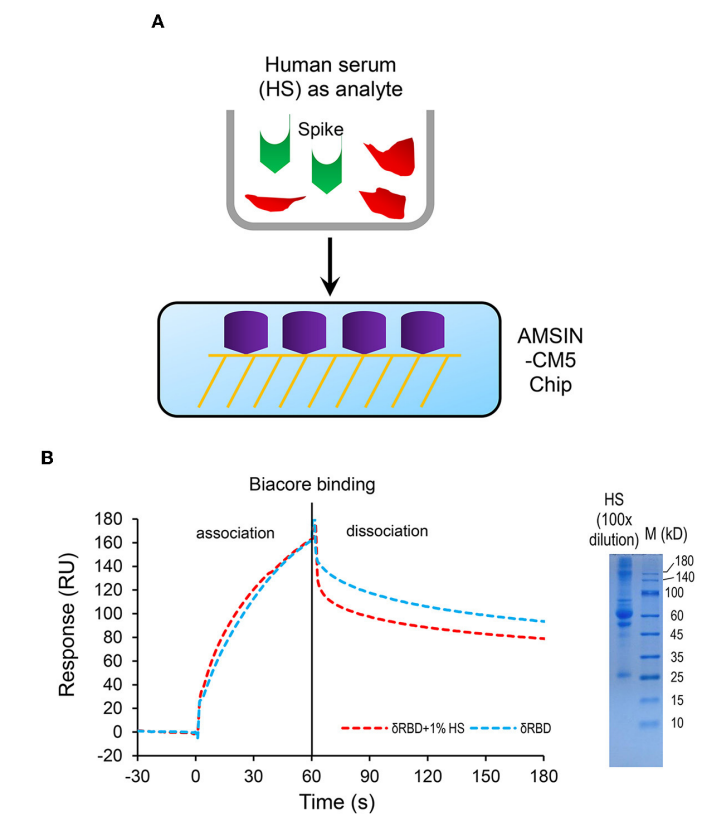
Fig7. Human serum does not interfere with the binding of δRBD to AMSIN covalently immobilized on CM5 sensor chip
This study, through systematic structural biology and biochemical analyses, is the first to screen and identify SARS-CoV-2 RBD-binding molecules that function as positive allosteric activators. This finding challenges the conventional understanding that defensin-like molecules primarily act as inhibitors. The unique mode of action of these two defensins provides novel molecular probes for investigating the allosteric regulatory mechanisms of the RBD. Their combined characteristics—high affinity, broad-spectrum binding, and serum stability—pioneer new avenues for both fundamental research and applied development related to SARS-CoV-2.
The Alpha variant RBD (Catalog No. COV390), Beta variant RBD (Catalog No. COV380), Gamma variant RBD (Catalog No. COV381), Zeta variant RBD (Catalog No. COV391), and hACE2 (Catalog No. KMPH1835) used in this study were sourced from KMD Bioscience (Tianjin, China). These reagents were primarily utilized for Surface Plasmon Resonance (SPR) analysis to precisely measure the binding affinities of the two defensin peptides (AMSIN and emorisin) to the RBDs of different SARS-CoV-2 variants, providing the essential foundation and support for virus-related research.
KMD Bioscience leveraging its mature phage display platform, is capable of constructing random peptide libraries and cyclic peptide libraries with diversities of up to 10¹³/mL. Additionally, the company offers a variety of pre-made peptide libraries and multiple screening methods, including solid-phase, liquid-phase, cell-based, and magnetic bead-based approaches. Following analysis by protein interaction technologies (BLI, SPR), the affinity of the selected target-specific peptides can reach the nanomolar (nM) level, delivering an integrated solution from high-throughput screening to precise characterization and accelerating the translation of your research discoveries.
- SARS-CoV-2
- SPR
- Activator
- Inhibitor

- Protein Platform
- Protein Expression Services
- Protein Modification & Detection Services
- Protein Interaction Services
- Protein Purification Service
- Antibody Discovery Platform
- VHH Antibody Platform
- Phage Display Platform
- Antibody Humanization Platform
- Single B Cell Screening Platform
- Antibody Expression & Validation Platform
- Peptide Library Platform
- Custom Antibody Platform
- Innovative Drug Discovery Platform
- Product Center
- Proteins
- Antibodies
- Raw Materials Reagents
- Small Molecule Reagents
- Peptide Products
- Nanoparticle Products
- Contact Us
- Phone:400-621-6806
- Mobile:13110936064(WeC
- E-mail:[email protected]
- Address:Room 108, Building 10, No. 6 Hechang Road, Wuqing Development Zone, Tianjin City
-

WeChat
-

Service Account
-
 400-621-6806
 -
 3599163699
 -
 Monday to Friday 9:00-18:00
 -

-
 0
0
-
